January 22, 2026 At the annual Axios panel in Davos, Jennifer Morris, CEO of the Nature Conservancy (TNC), emphasized a crucial yet often overlooked role that artificial intelligence is playing in conservation efforts. While much of the public focus on AI has been on its business and technological applications, Morris highlighted its growing potential in safeguarding at-risk species, particularly in the realm of sustainable fishing and marine life preservation.
“Everyone’s talking about AI, but they’re not talking about AI as a conservation solution. And I think that’s a really important thing that TNC and many organizations are working on,” Morris said, emphasizing that AI has proven its value in protecting at-risk species. According to her, AI is already being utilized to monitor and protect these vulnerable species, particularly in ocean conservation.
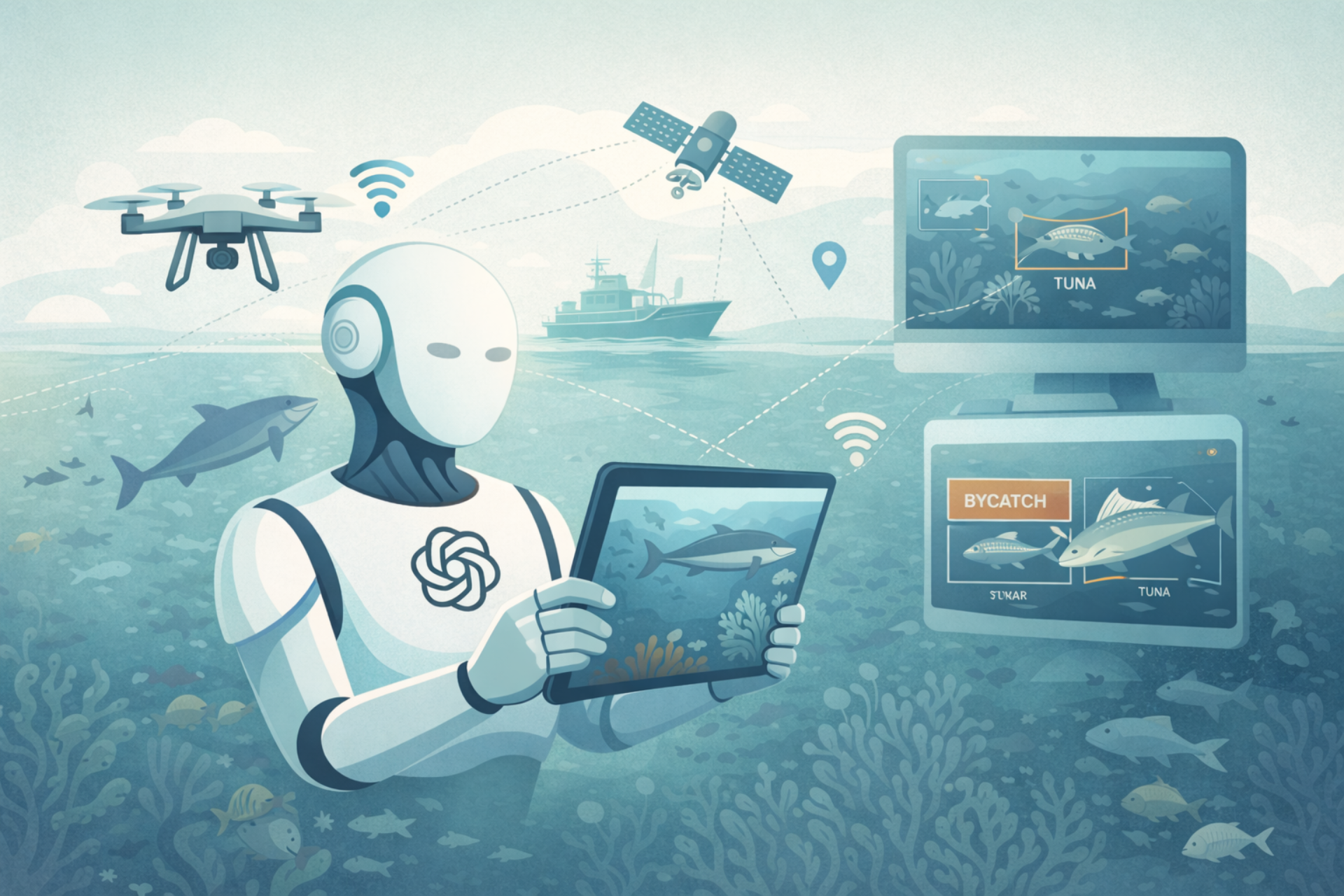
Morris pointed to the Tuna Transparency Pledge, an initiative launched by TNC, as a prime example of AI’s impact in the conservation world. Through a combination of onboard video cameras, GPS and sensors, AI helps monitor fishing activities in real-time, ensuring that tuna fishing operations adhere to ethical standards. These tools also capture images of bycatch, the unintended capture of marine species, allowing conservationists to assess the environmental impact of fishing practices. By doing so, the technology not only aids in real-time tracking but also helps inform sustainable practices in ocean conservation.
In her words: “These tools are not only documenting labor practices, but also identifying bycatch coming onto boats… That is changing how we manage fisheries, and we’re using AI to make that happen. It’s truly a game-changer.”
Despite the impressive progress in applying AI to conservation, Morris urged further development and acceleration of AI-based solutions to address environmental challenges. “All of you that are in AI in the room who are listening, please make sure you’re developing AI solutions for nature, because we need to move faster,” she encouraged.
The discussion also touched on the shifting landscape of conservation funding. While public funding for conservation has dwindled under recent administrations, Morris noted that private sector support is increasingly filling the gap. “As public money shrinks, I think private philanthropists realize they need to step into the breach… It’s integral to their supply chains,” she stated.