February 6, 2026 Alphabet is sharply increasing its bet on generative artificial intelligence, lifting its 2026 capital spending plans to as much as US$185 billion as it races to expand computing capacity for its own products and a growing roster of AI partners.
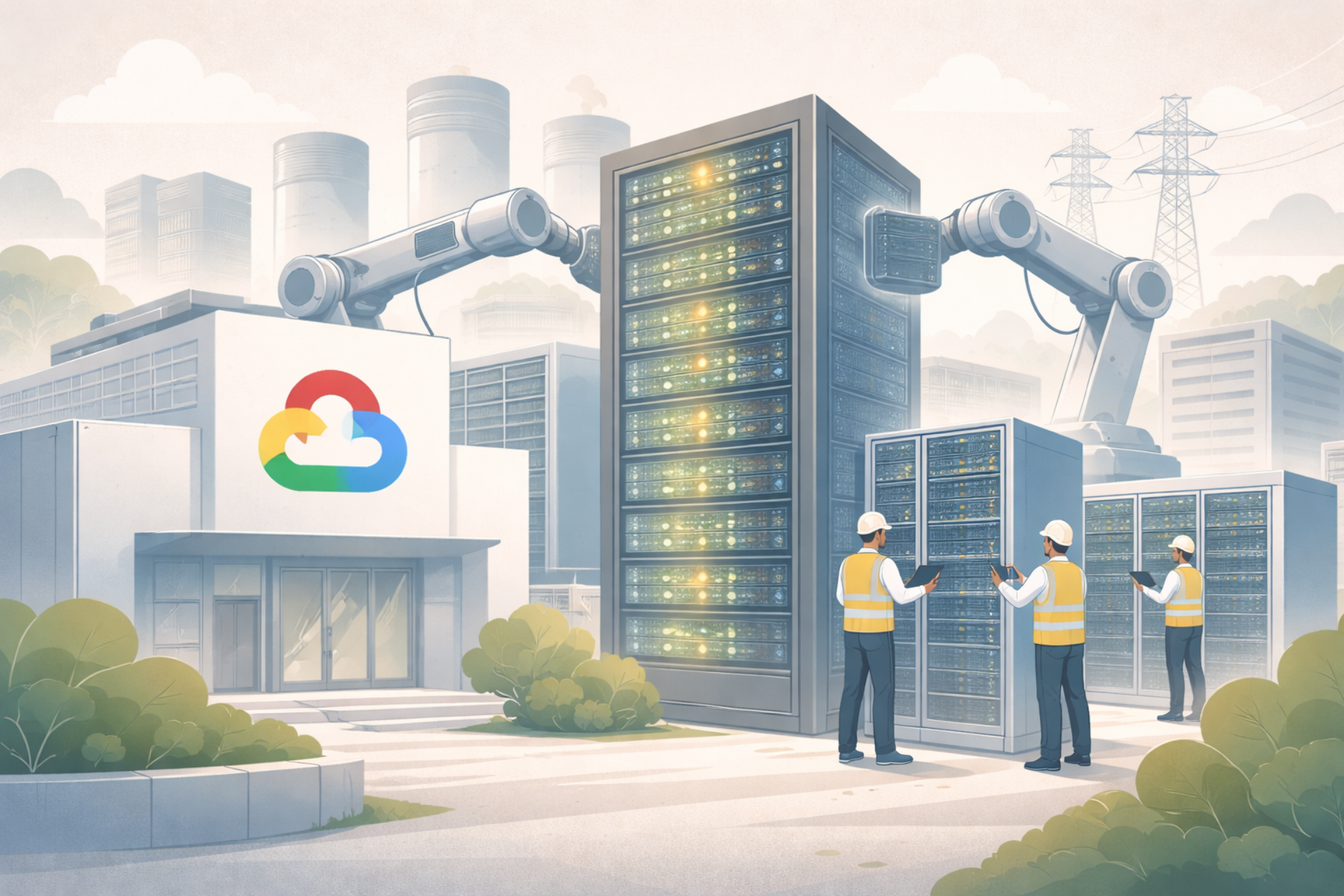
The Google parent company said on its earnings call Wednesday that it now expects full-year capital expenditures of between US$175 billion and US$185 billion next year — roughly double what it spent in 2025. The investment will go largely toward new data centres and the servers needed to power AI workloads at massive scale.
Chief financial officer Anat Ashkenazi said about 60 per cent of the spending, or roughly US$105 billion to US$111 billion, will be directed toward fast-depreciating assets such as servers. The remaining 40 per cent will be used to build and network new data-centre facilities.
Much of the server investment will support AI infrastructure, including Google’s own tensor processing units and graphics processors from Nvidia. Ashkenazi said the new compute capacity will be split evenly between internal uses and the Google Cloud, which also supports external customers.
The scale of the expansion underscores how central AI has become to Alphabet’s strategy and the challenges that come with it. Asked by analysts what concerns him most, chief executive Sundar Pichai pointed to the difficulty of scaling compute while navigating power availability, land constraints and supply-chain pressures.
Alphabet said the infrastructure will support not only Google’s own services, but also the needs of major partners, including Apple, OpenAI and Anthropic, which rely on Google Cloud for portions of their AI workloads.
The spending push comes as Alphabet is increasingly weaving AI into its core businesses, particularly advertising. Chief business officer Philipp Schindler said Google’s Gemini models are improving the company’s ability to match ads with user intent, especially for longer and more complex search queries that were previously difficult to monetize.
Schindler added that Gemini’s stronger understanding of non-English languages is also opening new opportunities for advertisers to reach global audiences. Advertising revenue across Google Search, YouTube and its network businesses reached US$82.28 billion in the quarter, up more than 13 per cent from a year earlier.
Google Cloud also posted strong growth. Fourth-quarter revenue jumped 47 per cent year over year to US$17.66 billion, driven by demand for AI services and enterprise computing. Ashkenazi said enterprise AI products are now generating billions of dollars in quarterly revenue, while core cloud offerings such as cybersecurity and data analytics also saw robust gains.
Alphabet reported quarterly profit of US$34.45 billion on revenue of US$113.82 billion. For the full year, revenue reached US$402.84 billion, with net income of US$132.17 billion.