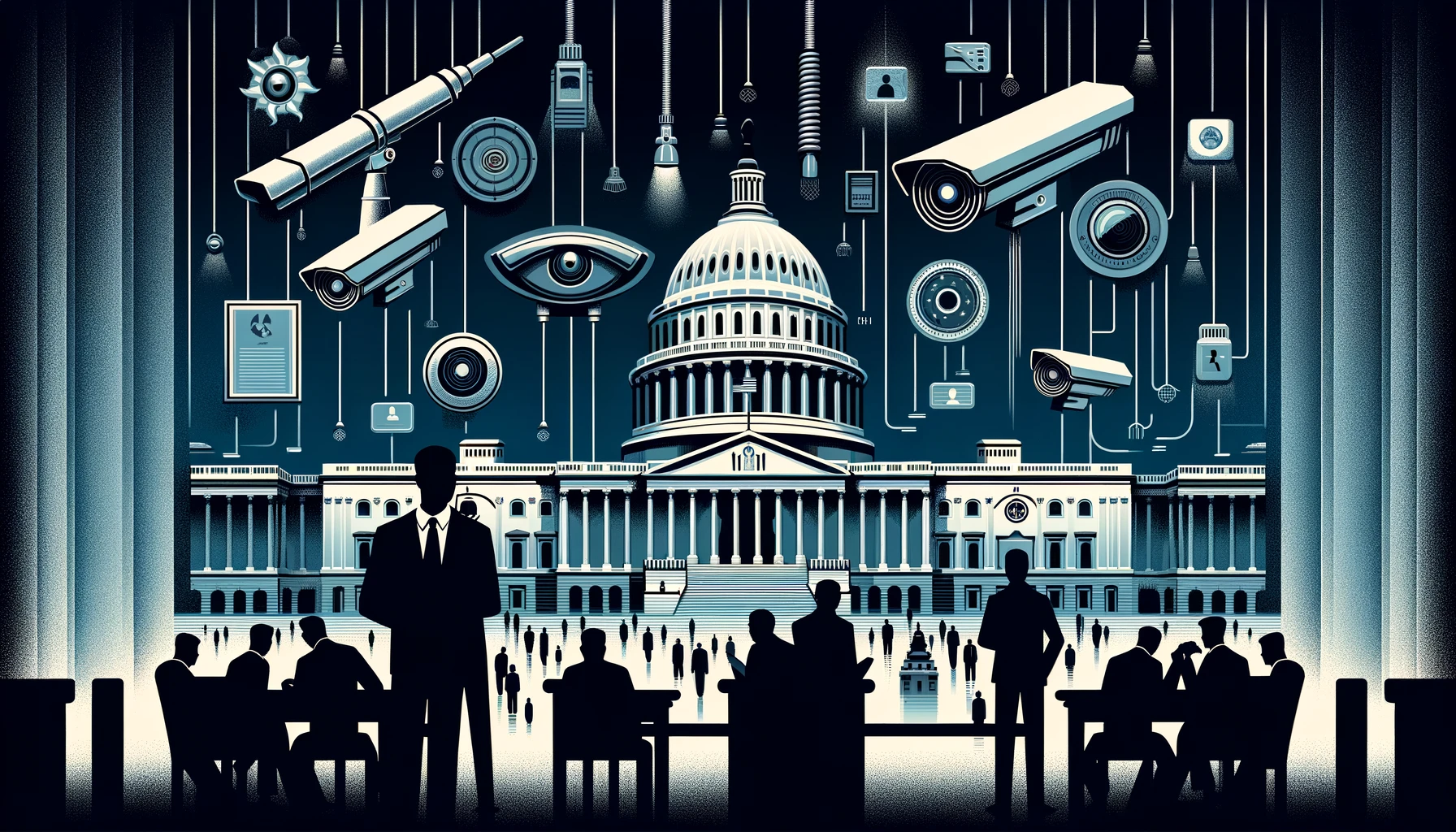
April 18, 2024 The US Senate is poised to vote on a significant expansion of Section 702 of the Foreign Intelligence Surveillance Act (FISA), which has stirred controversy and raised concerns among privacy advocates, lawmakers, and technology companies. This comes after the House of Representatives passed the Reforming Intelligence and Securing America Act (RISAA), which not only reauthorizes but also potentially strengthens the existing surveillance powers.
The bill proposes extending the definition of electronic communications service providers. This change could compel various entities—ranging from traditional tech companies to individuals with access to network infrastructure—to assist government surveillance efforts without a warrant.
A crucial amendment that would have banned warrantless surveillance of US citizens was narrowly defeated, maintaining the status quo that allows incidental collection of citizens’ communications without direct oversight.
Critics, including Senator Ron Wyden and organizations like the ACLU, warn that the bill’s broad definitions could turn numerous Americans into unwilling “agents for Big Brother,” as practically anyone with access to communication technology could be roped into surveillance activities.
The Information Technology Industry Council (ITI) and other tech leaders have expressed strong opposition to the bill, arguing it could undermine the global competitiveness of US tech firms and affect secure data transactions with international partners.
There is significant apprehension that the expanded powers could lead to greater abuses, reminiscent of historical overreach under FISA. Enhanced surveillance capabilities could strain relationships with international allies concerned about privacy and data protection.
The Senate will vote on RISAA imminently, with the White House urging swift passage to avoid the expiration of current powers. However, the debate continues to intensify as stakeholders from multiple sectors voice their concerns about the potential for increased government overreach into private communications.