November 24, 2025 The average lifespan of computers and mobile devices used by North American corporations appears to be extending, potentially creating a drag on employee productivity and hitting the profitability of hardware manufacturers.
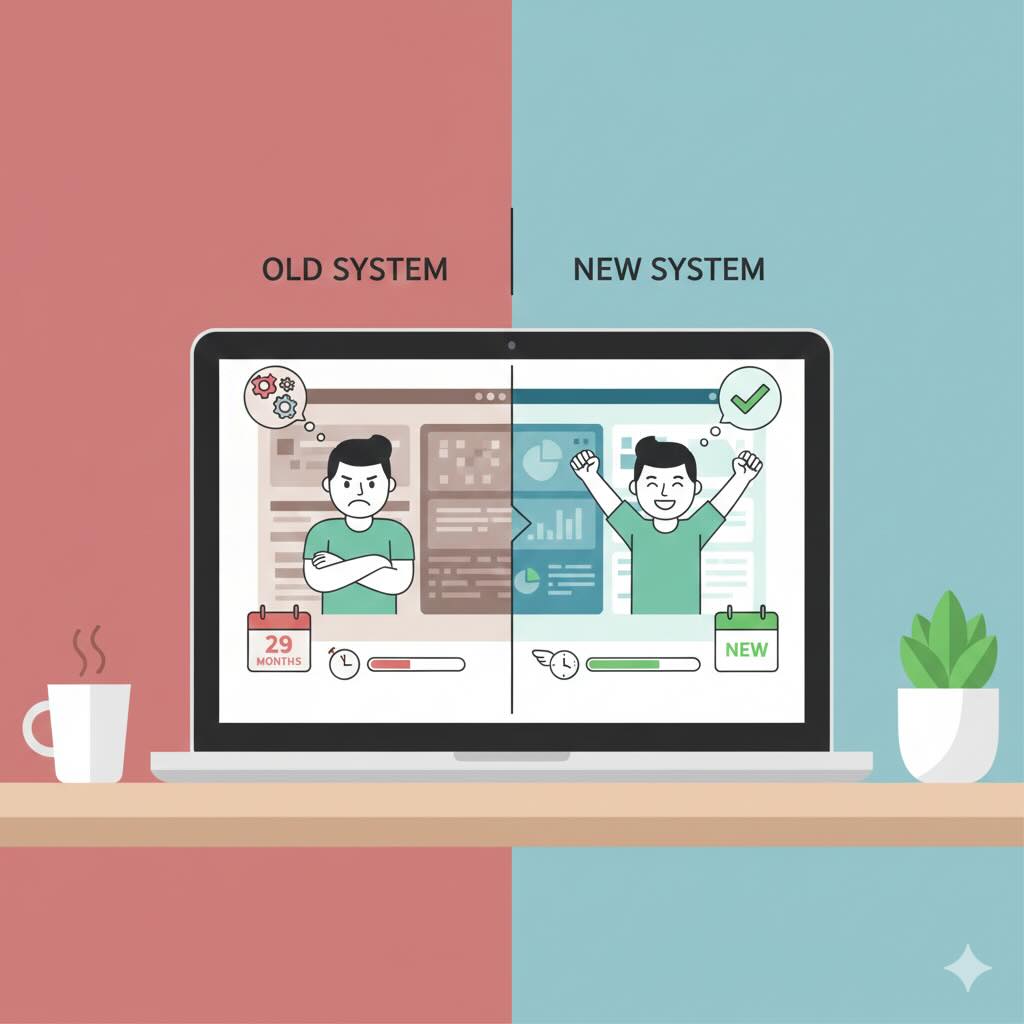
The corporate device refresh cycle, which once typically averaged 22 months, has reportedly stretched to nearly 29 months. While this shift may save capital expenditure in the short term, industry analysts suggest it could lead to higher long-term operating costs related to maintenance and lost output.
The primary drivers behind the delay may be a combination of economic uncertainty and the perception that modern hardware has improved longevity. However, a major concern for chief information officers is the compounding effect of delayed performance.
Analysts estimate the annual loss in productivity due to outdated equipment may be as much as one-half of one per cent annually of a company’s total output. Furthermore, research suggests that the slower performance of older computers could cost the average employee a significant amount of lost time per year.
According to research cited by IT firms, slow computers could cost the average employee 11 minutes of productivity every day, which amounts to nearly 48 hours of wasted time per employee over the course of a year. Source: TechRepublic study cited by Verity IT
The Employee Perspective
The decision to purchase new equipment is often promoted as a simple productivity boost, but employees may experience the change differently. While new technology has the potential to solve bottlenecks, the introduction of unfamiliar systems could disrupt established workflows.
Experts caution that successful technology implementation depends heavily on the “people implications.” According to the CIPD, the professional body for HR and people development, new systems without adequate training or support may cause workload and workflow interruptions, which ultimately slow the adoption and positive impact of the investment. [Source: CIPD & MIT studies]
The strategic challenge for corporations is determining the optimal time to replace equipment before marginal savings turn into measurable losses in employee output.