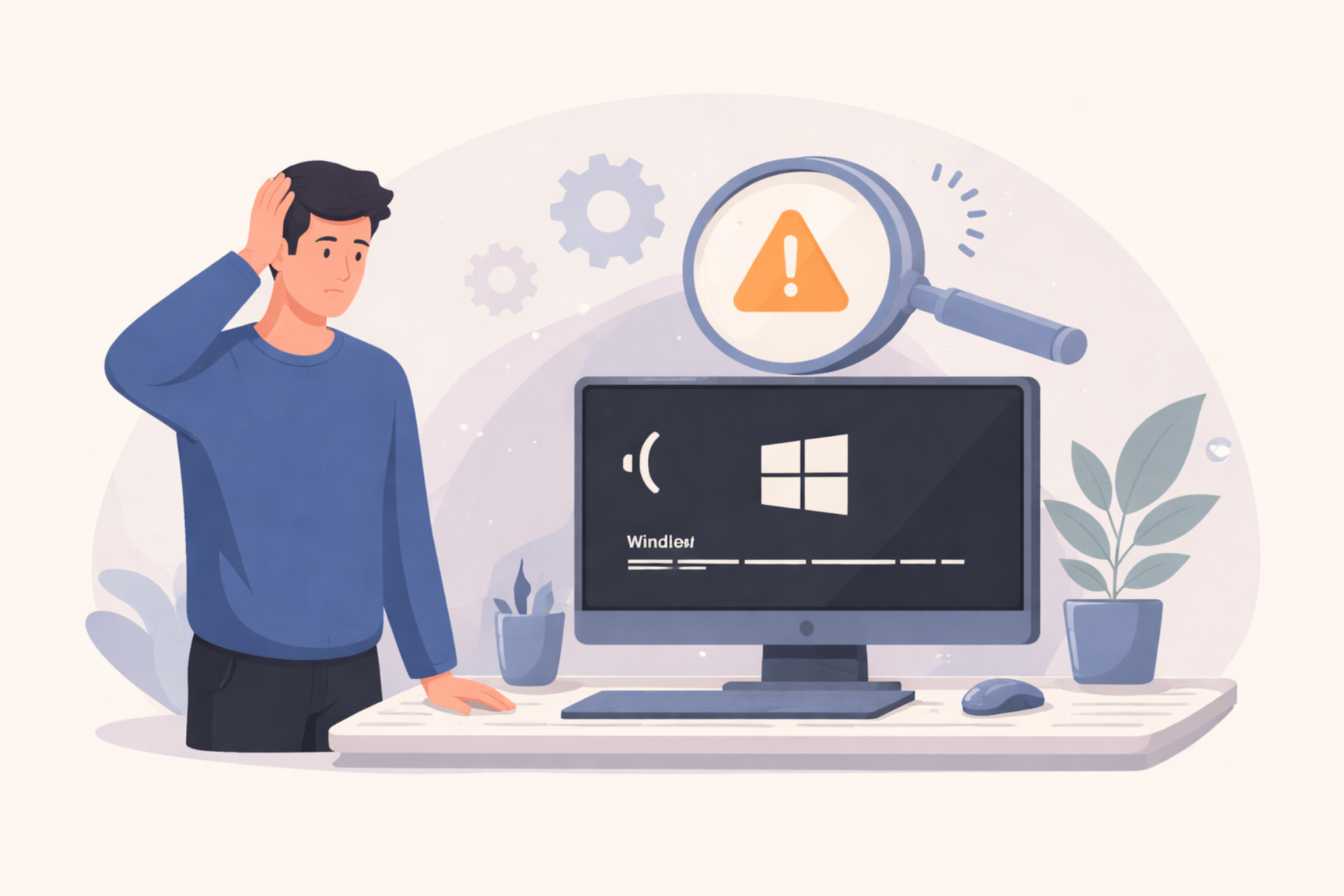
January 26, 2026 Microsoft is acknowledging reports that some systems are failing to boot after installing the latest mandatory security patch. In affected cases, machines restart into what users are describing as the Black Screen of Death. The issue follows a string of emergency fixes Microsoft has already rushed out this month, compounding what has become a rocky start to the year for Windows updates.
“According to Microsoft,” Windows Latest reports, “affected PCs could suddenly stop booting and land on the Black Screen of Death (BSOD) error with stop code UNMOUNTABLE_BOOT_VOLUME.”
Microsoft says it has “received a limited number of reports of an issue in which devices are failing to boot,” and is asking users and administrators to submit feedback. Historically, however, early descriptions of Windows update problems as “limited” have sometimes preceded much broader impact.
So far, the boot failure has been linked to Windows 11 versions 24H2 and 25H2 running the KB5074109 security update. The patch is mandatory and installs automatically because it addresses close to 100 known security vulnerabilities, leaving users with little choice but to apply it.
The boot failure surfaced just hours after Microsoft issued another emergency fix for a separate problem that left Outlook effectively unusable for some users. They also follow an earlier out-of-band update meant to resolve shutdown failures and broken remote desktop logins.
The specific error code being reported, 0xED, is typically associated with system corruption or boot-related problems involving the storage drive. On affected machines, users see a black screen warning that reads: “Your device ran into a problem and needs a restart. You can restart.” At that point, normal startup cannot continue without manual recovery.
Windows Latest notes that Windows Recovery Environment often succeeds in restoring affected systems, but not always. In cases where recovery tools fail, users may need to resort to reinstalling Windows using an installation ISO. While Microsoft maintains that the number of impacted devices remains small, it has not yet clarified the underlying cause or offered a permanent fix.
For now, the situation leaves users in a familiar bind: install security updates to stay protected but risk unexpected system failures, or delay updates and accept increased exposure to vulnerabilities. Microsoft has said it will continue to investigate and update its guidance as it learns more.