December 12, 2025 Microsoft is preparing a new Teams feature that automatically updates a user’s work location based on Wi-Fi or desk peripherals, giving colleagues and managers a clearer view of who is in the office and who is not. Set to roll out next February, the system is optional but arrives amid rising concerns about employee surveillance in hybrid workplaces.
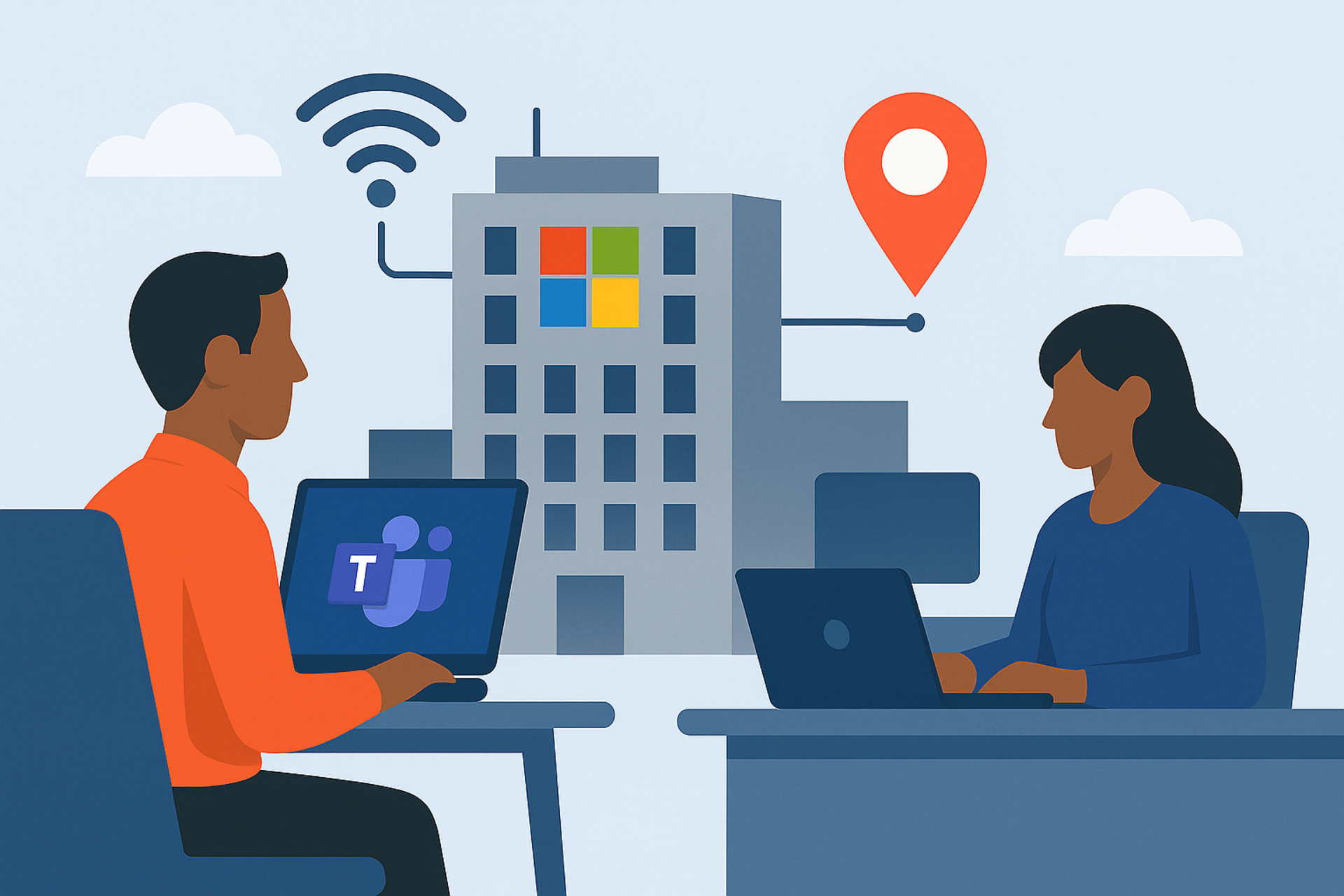
Microsoft says Teams will detect when a user connects to an organization’s Wi-Fi or plugs into approved desk hardware and update their status accordingly. “When users connect to their organization’s Wi-Fi, Teams will soon be able to automatically update their work location to reflect the building they’re working from,” the company wrote in a support document.
The feature must be enabled by administrators and requires users to consent to its use. As noted by Microsoft, it cannot be activated on an employee’s behalf.
The expected February rollout of the tracking system will follow an earlier preview. Per Microsoft, the feature is rolling out in two stages. Automatic detection via desk peripherals is already available, while Wi-Fi–based detection is currently in preview and will reach broad availability next year. Depending on how an organization configures the system, Teams may display either a general “in the office” status or identify a specific building.
Microsoft has also limited the feature to designated working hours. This means that location updates will not occur when users connect outside the schedule they have set.
The update arrives as workplace monitoring continues to grow in both office and remote environments. Studies show roughly a third of companies use some form of tracking software, and employee surveys indicate rising dissatisfaction with surveillance practices. Previous research has also found that wireless networking equipment and badges have been used to monitor movement inside office buildings, sparking concerns about how much visibility employers should have into the day-to-day activities of their employees.
Microsoft’s timing aligns with reports that the company plans to tighten its own hybrid working policies in the coming year, with firmer expectations around office attendance. While the company is not mandating a full return to office, it is said to be placing greater emphasis on coordinated schedules and in-person collaboration.
As Teams gain automatic location capabilities, it is up to organizations to decide how the feature fits into their hybrid work policies and whether the added visibility supports the balance between coordination, productivity and employee privacy.