April 27, 2026 Microsoft is offering about seven per cent of its U.S. workforce the option to retire early through a one-time voluntary program tied to age and tenure. The move comes as the company continues to increase spending on artificial intelligence infrastructure while adjusting its workforce structure.
The program will be available to employees whose combined age and years of service total 70 or higher, with eligibility extending to staff at the senior director level and below. Microsoft said it will notify eligible employees on May 7, marking the first time the company has introduced a retirement-focused downsizing initiative.
The offer follows a series of workforce reductions across the tech sector, as companies recalibrate operations in response to AI adoption. Microsoft itself cut roughly 9,000 jobs last summer, its largest layoffs since 2023. Other firms have taken similar steps, with Meta recently announcing plans to cut 10 per cent of its workforce and Amazon eliminating tens of thousands of roles across multiple rounds of layoffs.
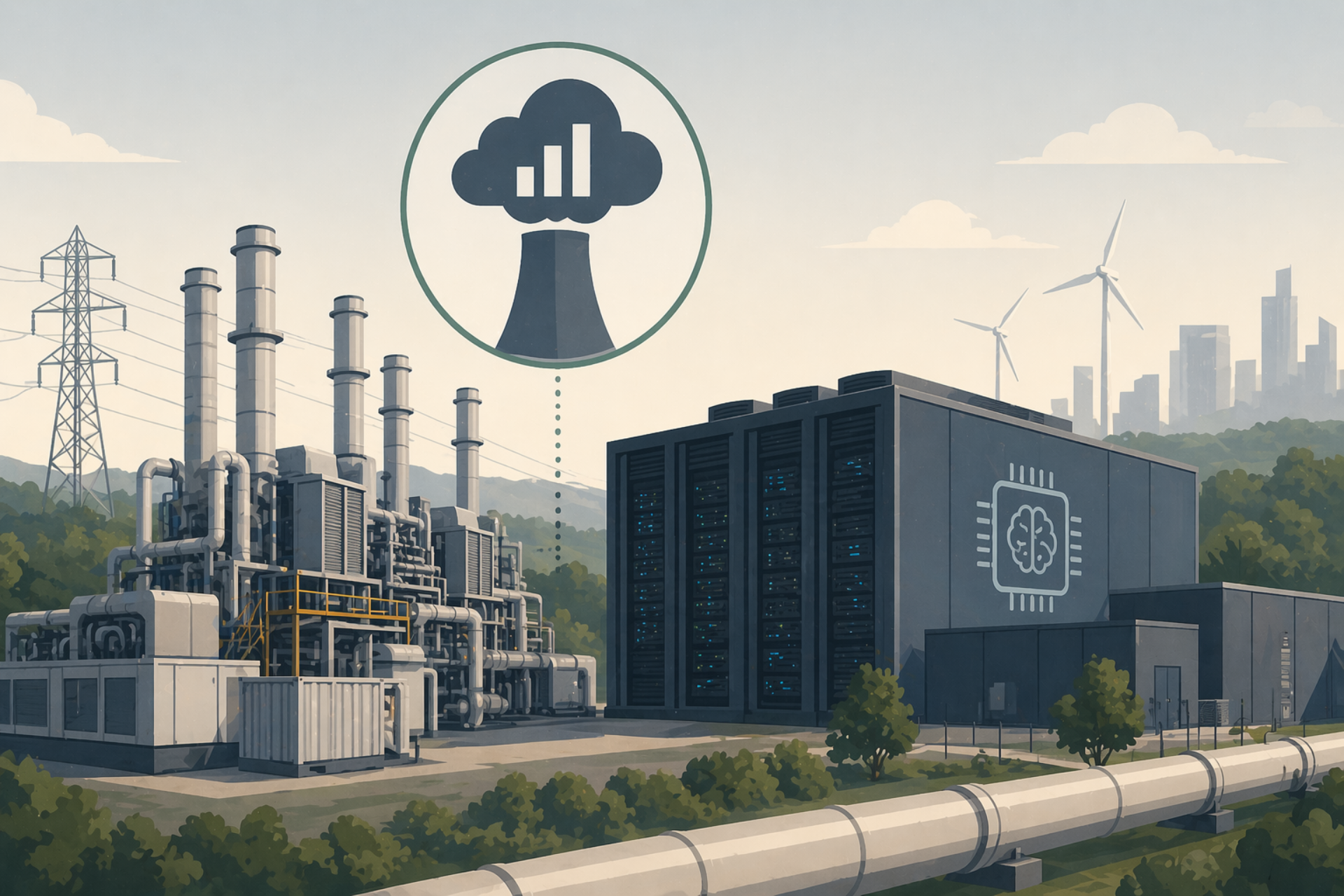
At the same time, Microsoft has sharply increased capital spending to support AI development. The company reported $37.5 billion in expenses tied to data centres and infrastructure in the quarter ending in December, reflecting the scale of investment required to build and operate AI systems.
Executives across the industry have increasingly pointed to AI tools, particularly coding assistants and autonomous agents, as enabling smaller teams to deliver comparable output. Microsoft is among the companies deploying these tools internally and to customers, reinforcing a broader shift toward automation in software development workflows.
The early retirement programme reflects a more targeted approach to workforce adjustment compared to large-scale layoffs, focusing on tenure-based exits while maintaining hiring flexibility in priority areas. Microsoft CEO Satya Nadella has previously framed the transition as part of a broader platform shift driven by AI.
“This platform shift is reshaping not only the products we build and the business models we operate under, but also how we are structured and how we work together every day. It might feel messy at times, but transformation always is,” Nadella said in a memo last year.