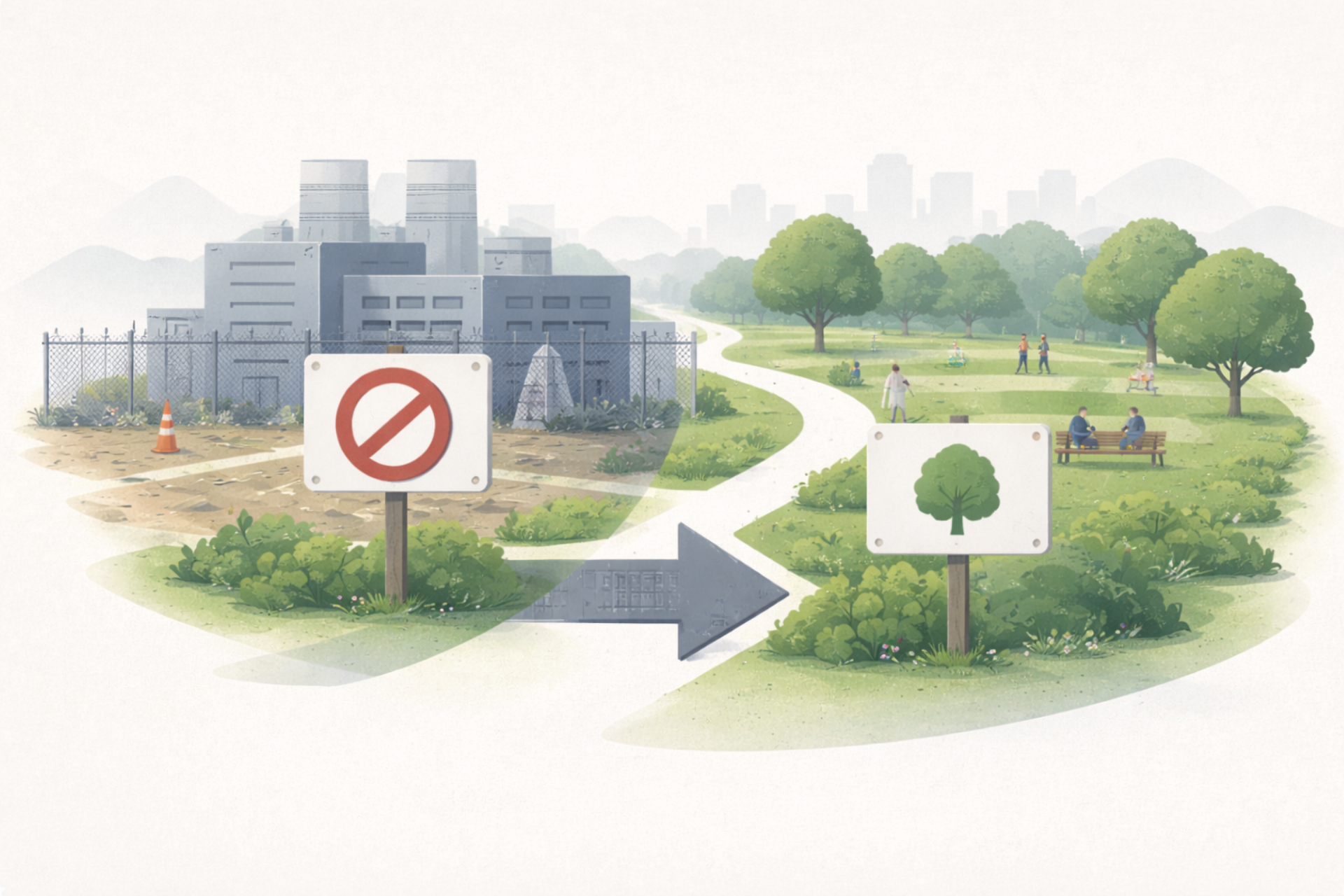
February 23, 2026 Local authorities in a city in New Jersey, U.S. voted on Feb, 18 against allowing the construction of a data center on a plot of land slated for redevelopment, instead requiring that a park be built on the site. The New Brunswick City Council was reviewing plans for the Jersey-Sandford redevelopment area, a roughly 22-acre site in the New York tri-state region, when public opposition pushed leaders to strip data centers from the proposal.
“The city administration is asking the council to amend the redevelopment plan to remove data centers as a permitted use,” city planner Daniel Dominguez told council members during the meeting, adding that the revised plan would restore a requirement for a public park.
The vote marks the latest flashpoint in growing local resistance to large-scale digital infrastructure tied to artificial intelligence and cloud computing. Although no formal data center proposal had been filed, the possibility of future construction was enough to galvanize residents and environmental groups.
Community advocates argued that modern data centers can strain local utilities while offering limited benefits to nearby neighbourhoods. In a statement, the Climate Revolution Action Network said residents raised concerns about environmental impact, power demand, water consumption and noise, along with broader unease over expanding AI infrastructure into residential areas.
Council members ultimately amended the redevelopment language, eliminating data centers as a permitted use and prioritizing green space. Attendees applauded the decision, with one resident thanking officials for listening to neighbourhood concerns and rejecting what they viewed as a resource-heavy industrial development.
The New Brunswick decision reflects a national trend. As AI adoption accelerates, the demand for new data centers has surged, often placing projects in direct conflict with local environmental and land-use priorities. Per a Business Insider investigation in 2025, more than 1,200 data centers had been approved across the U.S. by the end of 2024, with some projected to consume electricity on par with entire states.
Similar battles have unfolded elsewhere. Residents in Oklahoma and Texas have recently organized against proposed data centers, citing energy consumption, land use and quality-of-life concerns. In several cases, large public turnouts have led local officials to reconsider or halt projects.