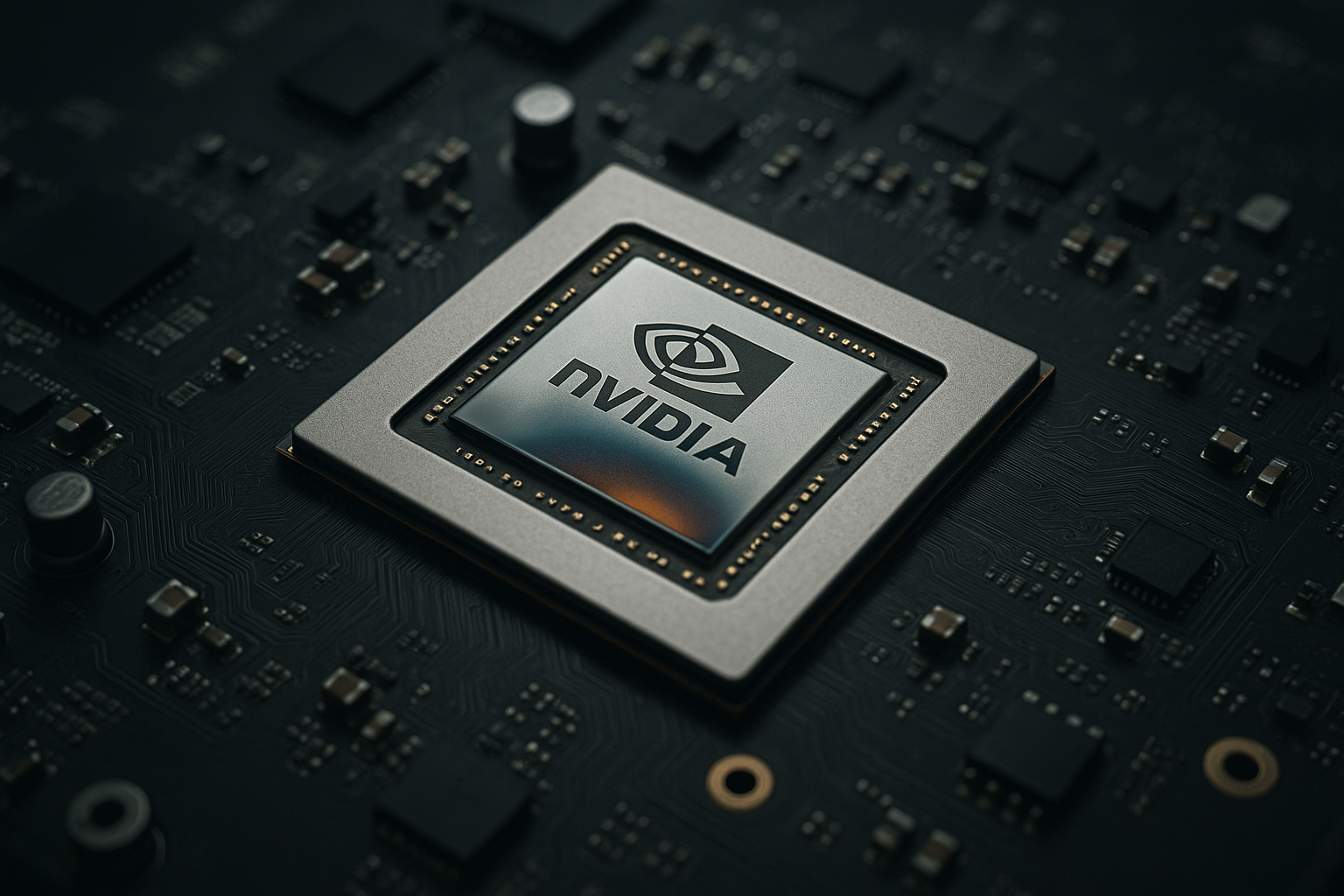
August 24, 2025 Nvidia has ordered some of its component suppliers, including Amkor Technology and Samsung Electronics, to suspend production of its H20 artificial intelligence chip for the Chinese market, according to multiple reports.
The move follows a directive from Chinese authorities urging local technology companies to stop buying the chip. Regulators cited security concerns, including fears of backdoors or remote access features that could threaten national security. The decision has been confirmed by outlets including Reuters, Bloomberg, CNBC and The Information.
Nvidia denied that its hardware poses any security risk, saying it “continuously manages its supply chain to adapt to market conditions.” The company’s H20 chip was the most advanced model still permitted for sale in China under U.S. export controls. Its suspension jeopardizes access to a market that accounts for an estimated US$20 to $23 billion annually in potential sales. The company has also been forced to take a reported US$4.5-billion writedown on inventory.
Beijing is pressing Chinese firms such as Tencent and ByteDance to shift to domestic suppliers, including Huawei and Cambricon. Analysts expect the policy could accelerate “AI chip localization” in China to more than half the market by 2027, reducing Nvidia’s share.
The halt also highlights strain on Nvidia’s global supply chain. Samsung, Foxconn and Amkor have reportedly been told to stop related production lines. Industry analysts say the company may move more work to U.S. partners such as TSMC and Intel, while exploring modular “chiplet” designs and open RISC-V architectures to reduce geopolitical risk.
Nvidia is developing a next-generation product, described by Reuters as the B30A based on its new Blackwell architecture, that could outperform the H20 while complying with U.S. export restrictions. The timeline for approval and access to the Chinese market remains uncertain.
The setback underscores the challenges multinational chipmakers face as governments increasingly politicize and segment AI markets. Investors are now watching not only Nvidia’s roadmap, but also whether Chinese rivals can use the moment to advance their own hardware ecosystems.