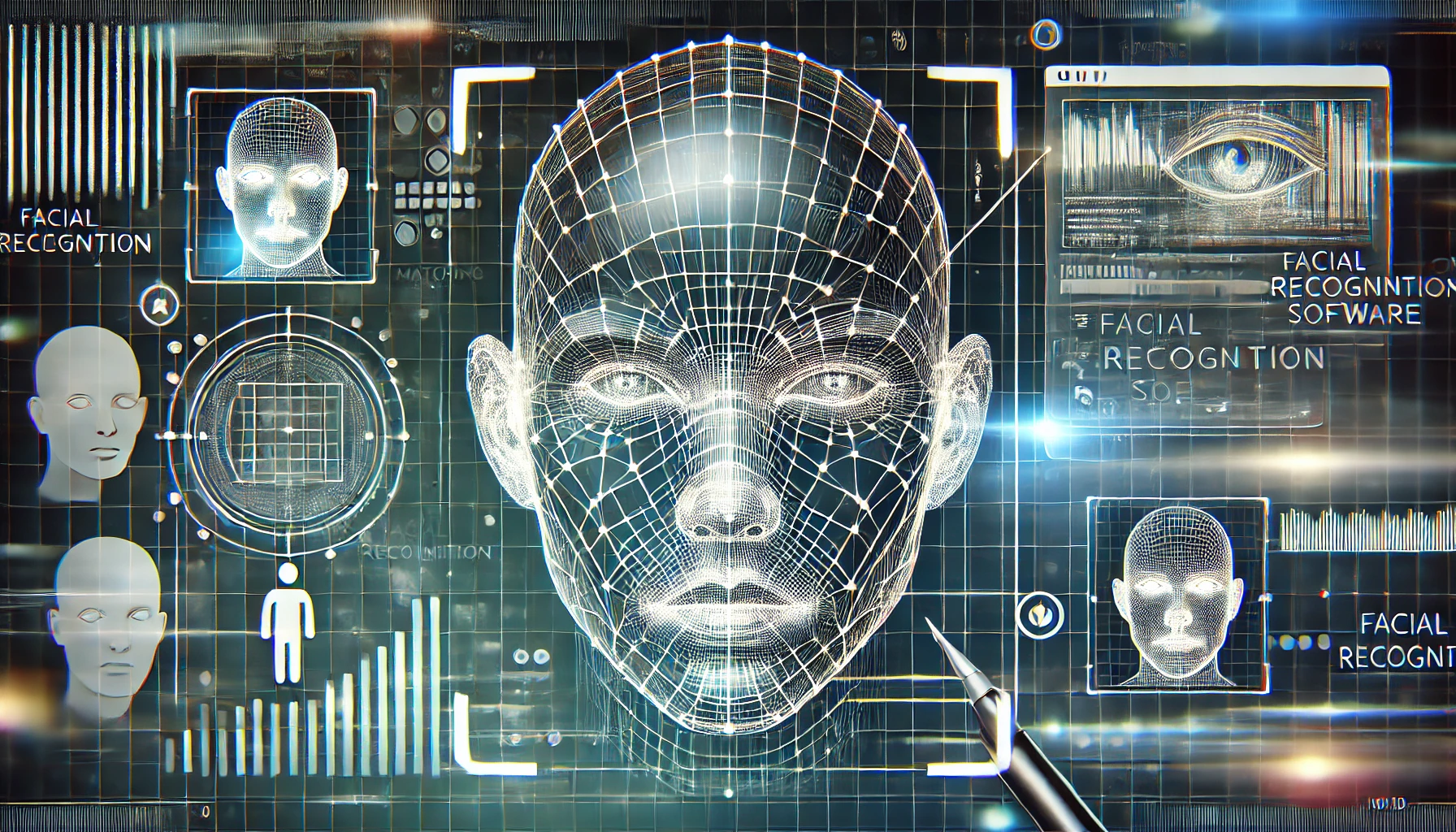
Clearview AI, a U.S.-based facial recognition company, has been fined €30.5 million ($33.7 million) by the Netherlands’ data protection authority for illegally creating a database of billions of faces scraped from social media and the internet. This fine follows multiple sanctions across Europe for violating privacy regulations, including the GDPR. The company’s practice of collecting images without consent has sparked widespread criticism and legal challenges. Despite these actions, Clearview has not modified its operations and continues to face global scrutiny and potential further legal actions.
The Dutch data protection authority emphasized that Clearview’s database, which is marketed to law enforcement agencies, was built without transparency or user consent, violating basic privacy rights. This case highlights broader concerns about the misuse of facial recognition technology, especially by private companies without adequate regulation. While there are legitimate uses for facial recognition, such as security and crime prevention, regulators stress the need for stringent oversight to prevent abuse.
Despite the mounting fines and legal pressure, Clearview’s operations do not appear to have significantly changed. The company maintains that it does not have a presence in the Netherlands or Europe, which complicates enforcement of these fines. However, European regulators are exploring ways to compel compliance, potentially holding company executives personally accountable. The fines highlight the global tension between advancing surveillance technologies and protecting individual privacy rights.
Clearview’s extensive database, reportedly containing over 50 billion images, underscores the scale at which this technology can operate and the privacy implications it entails. The company, backed by prominent investors and used by various law enforcement agencies, continues to face backlash as more countries scrutinize its practices. This case exemplifies the ongoing debate over privacy, technology, and regulation in the digital age.