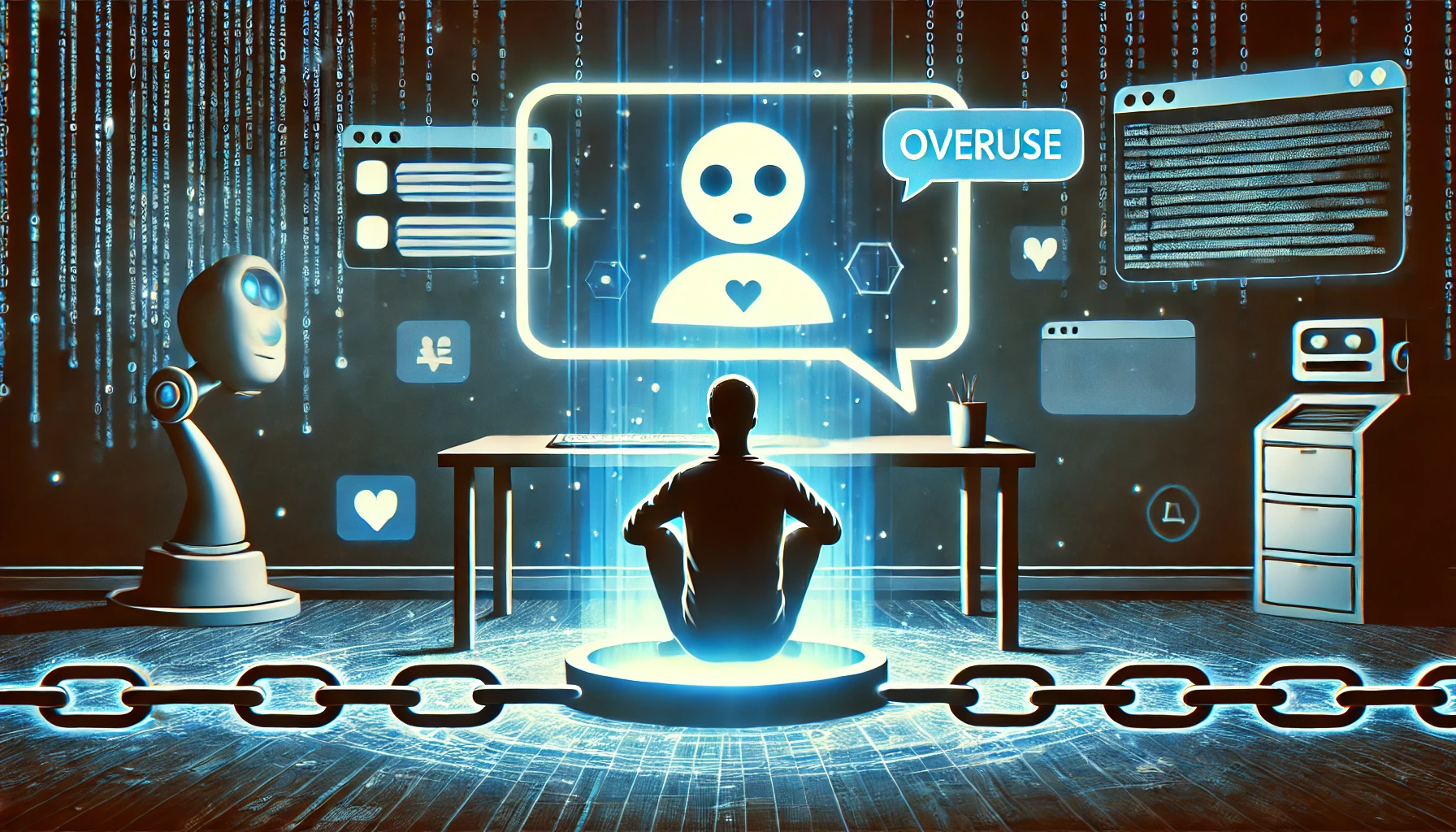
A new study by OpenAI and the MIT Media Lab has found that heavy users of ChatGPT are showing signs of emotional dependence—and in some cases, symptoms resembling addiction.
The study surveyed thousands of users and identified a small group of “power users” who spent long periods interacting with the chatbot. Among this group, researchers noted behaviors such as preoccupation, mood changes, withdrawal symptoms, and a loss of control—key indicators of problematic use.
Interestingly, users who interacted with ChatGPT using only text were more emotionally expressive than those using voice. Yet, brief interactions through voice were linked to better emotional outcomes.
Another surprising finding: users who engaged with the chatbot for personal reasons—discussing emotions or memories—were less likely to become emotionally dependent than those using it for tasks like brainstorming or advice.
Researchers warned that even non-personal, work-related use can lead to emotional dependence if the usage becomes excessive. The study raises questions about the emotional effects of prolonged interactions with AI, especially for users experiencing loneliness or stress.