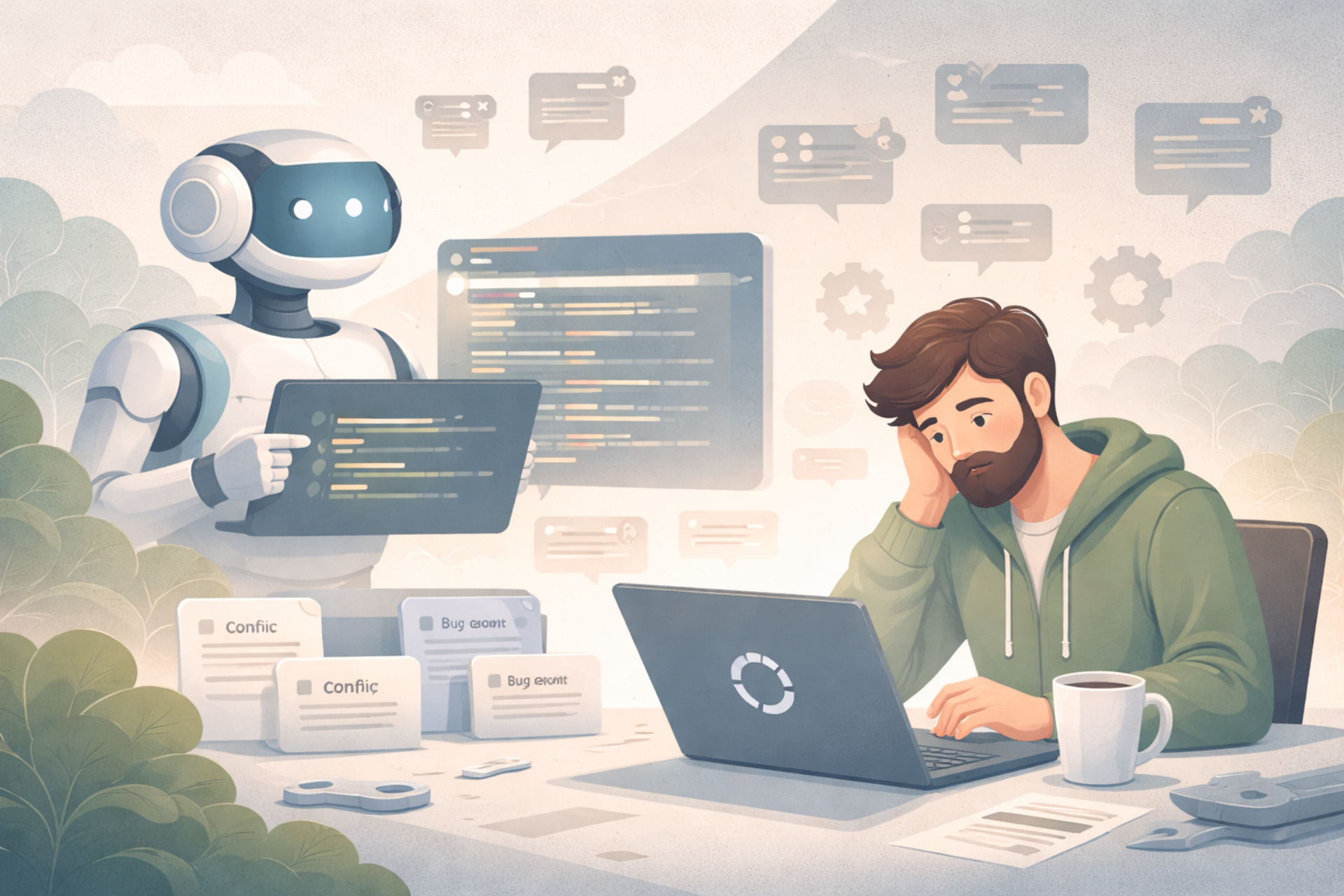
February 9, 2026 A recent study by Central European University and the Kiel Institute for the World Economy warns that Vibe Coding, a new AI-driven programming approach, may undermine the open-source ecosystem. Vibe Coding allows users to create software by simply describing desired features to AI tools like Cursor, Claude or Copilot, which then assemble code from existing open-source libraries.
The researchers say the rapid rise of this approach could fundamentally change how open-source software is sustained, even as it boosts short-term productivity. By placing AI systems between users and open-source projects, vibe coding reduces the need for developers to read documentation, file bug reports, contribute patches or otherwise interact with maintainers.
In the study, the authors model how software production changes when open-source code becomes a scalable input that can be recombined endlessly by AI agents. While this lowers the cost of building software and accelerates development, it also weakens the feedback loop through which maintainers gain recognition, reputation and indirect financial returns.
The paper argues that when maintainers are compensated mainly through user engagement, such as consulting work, sponsorships or enterprise adoption driven by visibility, widespread adoption of vibe coding erodes those incentives. Over time, fewer developers may choose to launch or maintain high-quality open-source projects, leading to a thinner and less reliable ecosystem.
The researchers warn that this dynamic could reduce overall welfare despite higher productivity. As AI tools increasingly rely on existing open-source libraries, a decline in project quality or availability would ultimately hurt the same AI-driven workflows that depend on them.
To avoid that outcome, the study calls for structural changes in how open-source work is funded. One proposal is for AI platforms to adopt revenue-sharing models similar to those used by music streaming services, compensating maintainers based on how often their projects are used by AI systems.
Without such changes, the authors conclude, vibe coding risks creating a paradox: software becomes easier than ever to build and at the same time, the open-source foundations that make it possible slowly deteriorate.