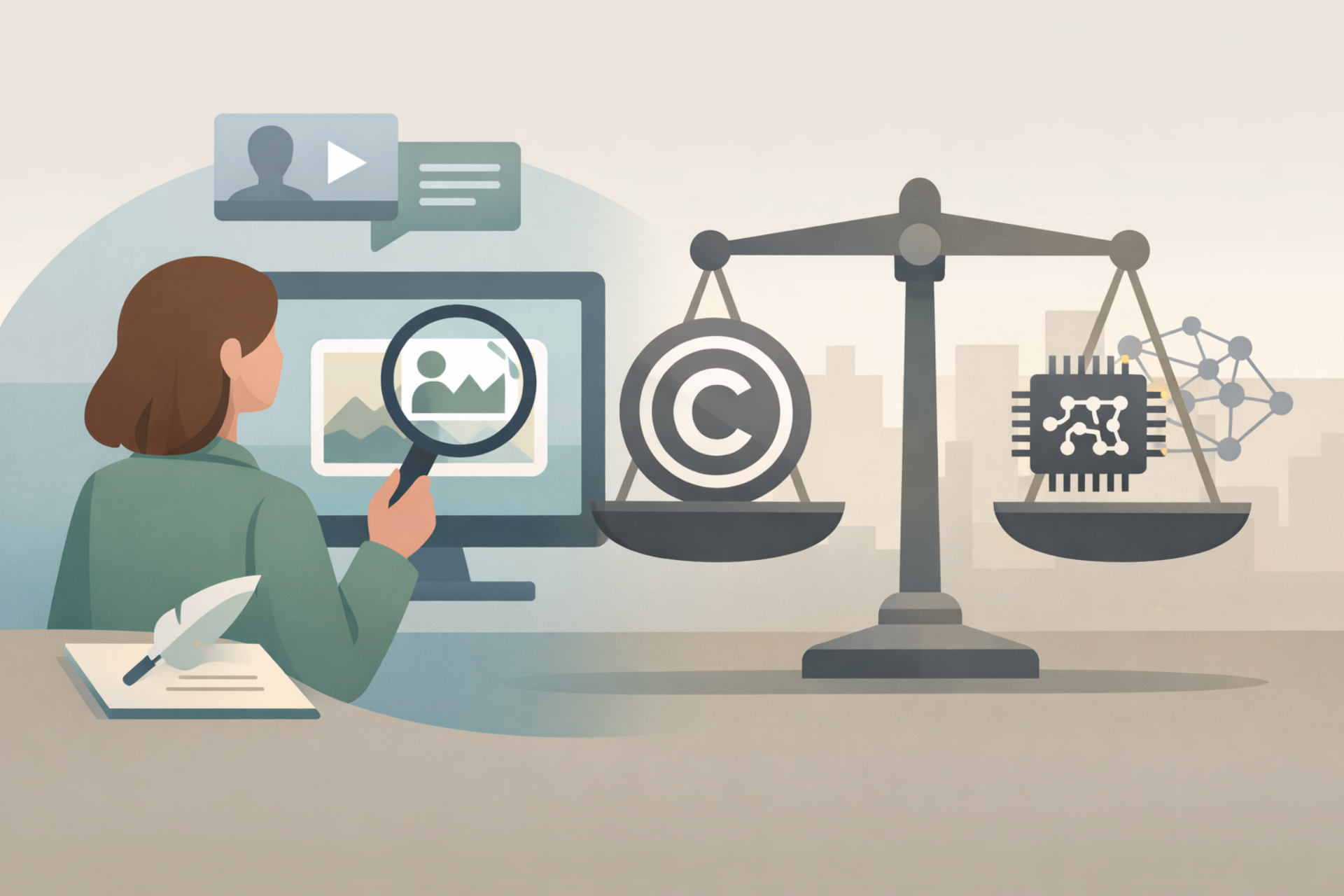
March 19, 2026 The UK government is considering introducing mandatory labels for AI-generated content as part of efforts to address disinformation and deepfakes. At the same time, it has stepped back from committing to a clear policy on how AI models can use copyrighted material, leaving key regulatory questions unresolved.
Technology minister Liz Kendall said the government is aiming to balance protections for creative industries with continued AI innovation, noting it will take time to “get this right.”
The proposed labelling requirement is part of a review into the impact of generative AI, including concerns around unauthorised digital replicas and how creators can maintain control over their work online. The government is also exploring measures to ensure independent and smaller creative organisations are fairly compensated.
The policy direction remains uncertain on one of the most contested issues: whether AI developers should be allowed to train models on copyrighted content. A previous 2024 proposal would have permitted training on lawfully accessed material, provided creators could opt out. That approach is no longer being advanced.
Kendall said the government “no longer has a preferred option” after consultations with creatives, AI companies, unions and academics. The decision effectively reopens the debate at a time when regulators globally are still defining how intellectual property laws apply to generative AI systems.
Legal experts say the lack of clarity may prolong uncertainty for both developers and rights holders. Louise Popple, a copyright expert at Taylor Wessing, said the government has not ruled out a broad exception for training data, adding that “it feels very much like the hard issues are being kicked down the road.”
The discussion comes as generative AI tools become more widely used to produce text, images and video, increasing concerns about authenticity, ownership and compensation. The UK government noted the domestic AI sector is growing rapidly, expanding at a rate significantly higher than the broader economy.
The parallel focus on labelling and copyright highlights a structural challenge for policymakers: ensuring transparency for end users while defining the economic rules that underpin AI development.