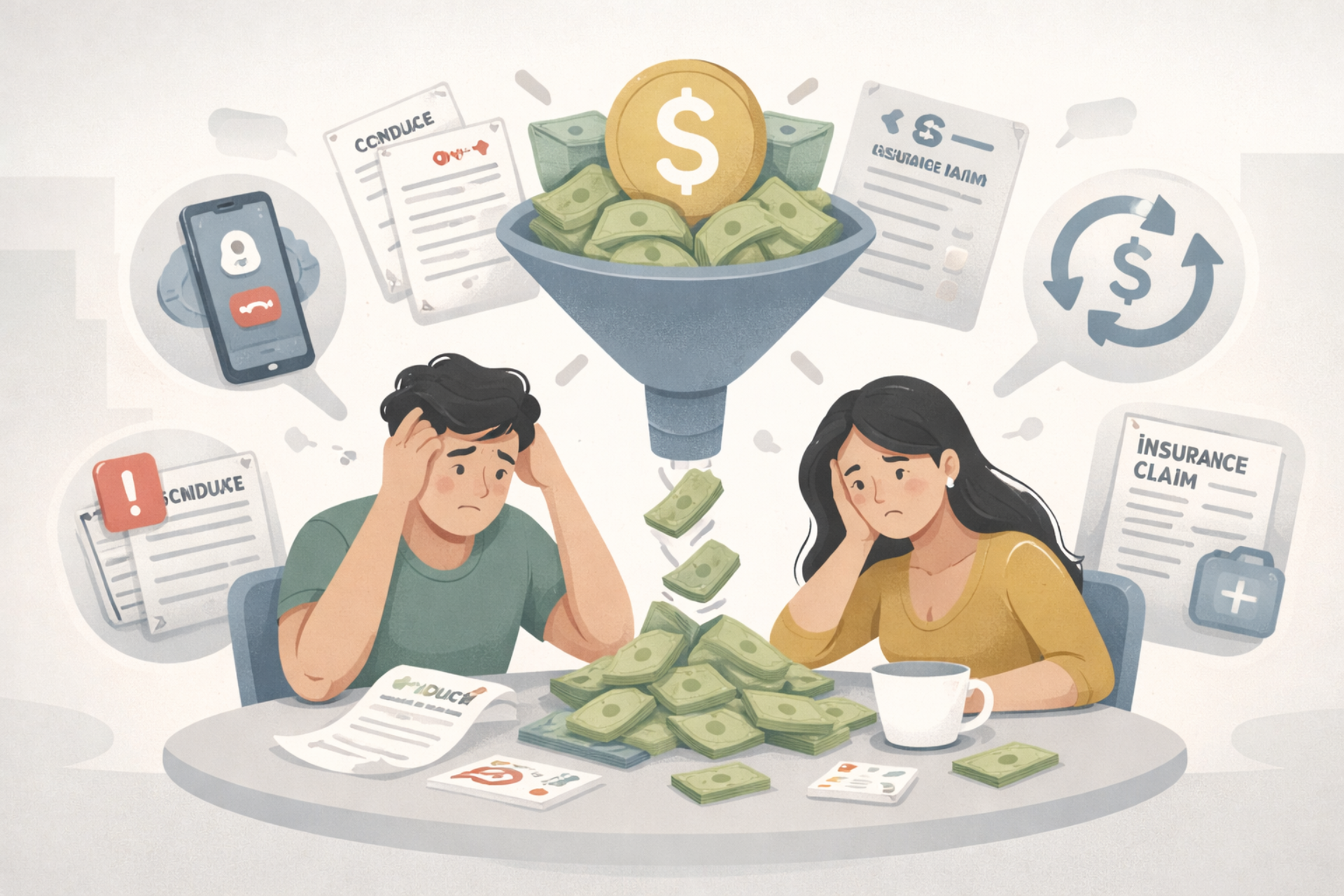
April 20, 2026 Everyday digital and administrative frustrations from cancelling subscriptions to dealing with spam calls are costing American households an estimated $165 billion annually in lost time and money, according to a new report. The analysis frames these routine inefficiencies as a systemic economic burden rather than isolated inconveniences.
The report, led by Stanford economist Neale Mahoney and Chad Maisel of Groundwork Collaborative, defines this pattern as the “annoyance economy,” capturing “the everyday interactions that should be simple but often turn into fraught ordeals.” The authors, who previously worked on consumer protection efforts in the Biden administration, said the concept emerged as they examined a broader set of “tricks and traps and frustrations” that make basic tasks unnecessarily complex.
These interactions span a wide range of consumer experiences. Hidden fees, spam calls, insurance claims, and complex cancellation processes are among the most common examples. While some issues stem from outdated systems or fragmented regulation, Mahoney said others are intentionally designed to increase revenue by exploiting user friction.
The financial incentives are measurable. Companies that make it harder for customers to cancel subscriptions can see revenue increases ranging from 14 per cent to 200 per cent, according to the report’s findings. In that context, friction is not just a byproduct of poor design but can be a deliberate feature.
The impact also extends beyond direct financial costs, as administrative burdens can influence critical decisions, including health care. A 2019 study cited in the report found that nearly one in four respondents had delayed or forgone medical care due to difficulties such as scheduling appointments or resolving insurance billing issues.
The authors argue that the cumulative effect of these interactions is significant. What appears to be minor inconvenience at the individual level becomes a large-scale economic drag when repeated across millions of households.
Artificial intelligence is expected to further complicate the landscape. Mahoney warned that AI systems, particularly chatbots capable of mimicking human interaction, could increase the effectiveness of scams and deceptive practices. “Scammers will be more adept at using A.I. to scam us than we will be at using it to detect scams,” he said.
Public sentiment suggests growing frustration. A 2024 YouGov poll found that 87 per cent of respondents supported restrictions on telemarketers’ use of robocalls. In a separate 2025 poll conducted by Groundwork and Data for Progress, two-thirds of likely voters said they want Congress to prioritise addressing these types of consumer issues.
Mahoney said the persistence of these frustrations contributes to a broader perception that systems are stacked against consumers. “The consistent inconveniences that people face in their day-to-day lives become a reminder about how the system is stacked against them,” he said.
The report suggests that addressing the annoyance economy will require coordinated action across policy and industry. While some inefficiencies are rooted in legacy systems, others are embedded in business models that benefit from user friction. Reducing those costs may involve regulatory changes as well as product design shifts that prioritise simplicity over retention tactics.