June 4, 2026 Anthropic is dramatically expanding Project Glasswing, its initiative that uses artificial intelligence to identify and fix critical software vulnerabilities before attackers can exploit them. The expansion will give approximately 150 organizations across more than 15 countries access to Claude Mythos, Anthropic’s cybersecurity-focused AI model that the company says can discover thousands of previously unknown software flaws.
The announcement comes just one day after Anthropic revealed that it had confidentially filed paperwork for a potential initial public offering, following a recent $65 billion funding round that valued the company at nearly $1 trillion.
At the center of Project Glasswing is Claude Mythos, which Anthropic describes as its most powerful cybersecurity model to date. The company says the system is capable of scanning large software codebases and identifying significant vulnerabilities, including zero-day flaws that developers may not know exist.
Earlier this year, Anthropic launched the first phase of the program by providing 50 organizations with access to Claude Mythos Preview. Those initial participants included agencies within the U.S. government and other partners tasked with evaluating the model’s ability to detect weaknesses in critical software systems.
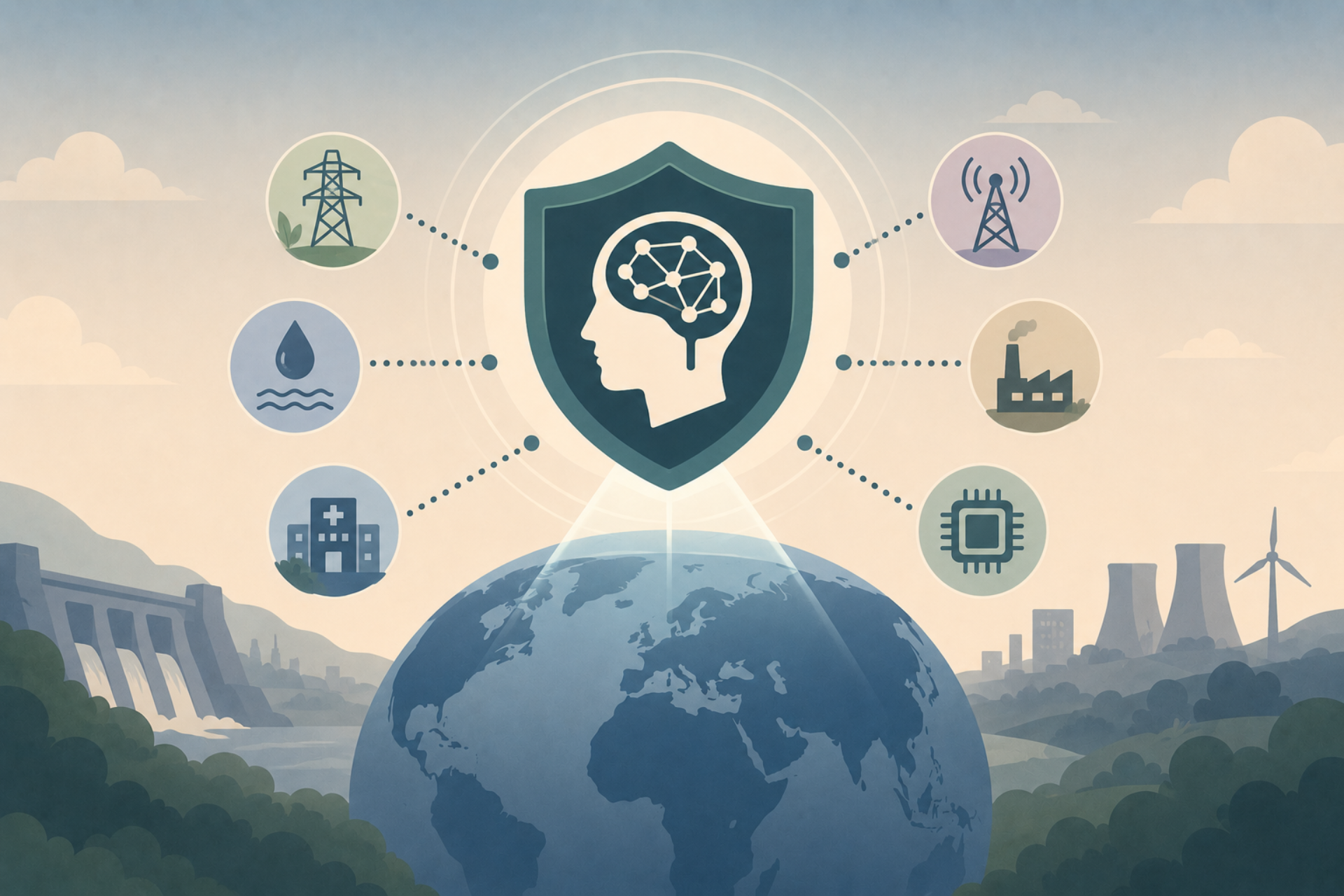
Now, the company is significantly broadening the initiative. According to Anthropic, the newly expanded group includes organizations operating in sectors such as energy, water infrastructure, healthcare, communications, and hardware manufacturing. These industries were not heavily represented in the original pilot program but are increasingly viewed as critical targets for cybersecurity protection.
Anthropic said many of the newly added participants maintain software systems that other organizations, governments, and businesses depend on every day. In a blog post announcing the expansion, the company emphasized the importance of protecting these systems.
“What each partner has in common is that a successful attack on their codebase could be catastrophic,” Anthropic said.
The company added that for most participating organizations, a major cyberattack could potentially affect more than 100 million people and carry significant implications for both national and global security.
The expanded program stretches well beyond the United States. According to reporting by the Financial Times, organizations from several countries that maintain close relationships with the U.S. have been included in the initiative. These countries include Canada, Australia, France, Germany, Italy, Switzerland, Netherlands, Spain, Belgium, Sweden, India, Japan, New Zealand and South Korea.
The Financial Times also reported that several prominent organizations have been granted access to Claude Mythos as part of the expansion. Among them are identity and access management company Okta, semiconductor manufacturers Samsung Electronics and SK hynix, telecommunications provider SK Telecom, the military alliance NATO, and the European cybersecurity authority ENISA.
Anthropic has not publicly confirmed the full list of participating organizations. But the company says the expansion is motivated in part by its belief that highly capable cybersecurity AI models will soon become more widely available across the industry.
Anthropic has repeatedly stated that it does not expect Claude Mythos to remain unique for long. Instead, the company believes other AI developers will soon introduce similar systems capable of identifying software vulnerabilities at scale.
That expectation has accelerated Anthropic’s efforts to build safeguards and establish security frameworks through Project Glasswing before such technology becomes commonplace.
The competitive landscape is already evolving rapidly. Since Anthropic introduced Mythos, rival OpenAI has launched its own cybersecurity-focused model known as GPT-5.5-Cyber. OpenAI has similarly made the system available to a large group of partners for testing and evaluation.