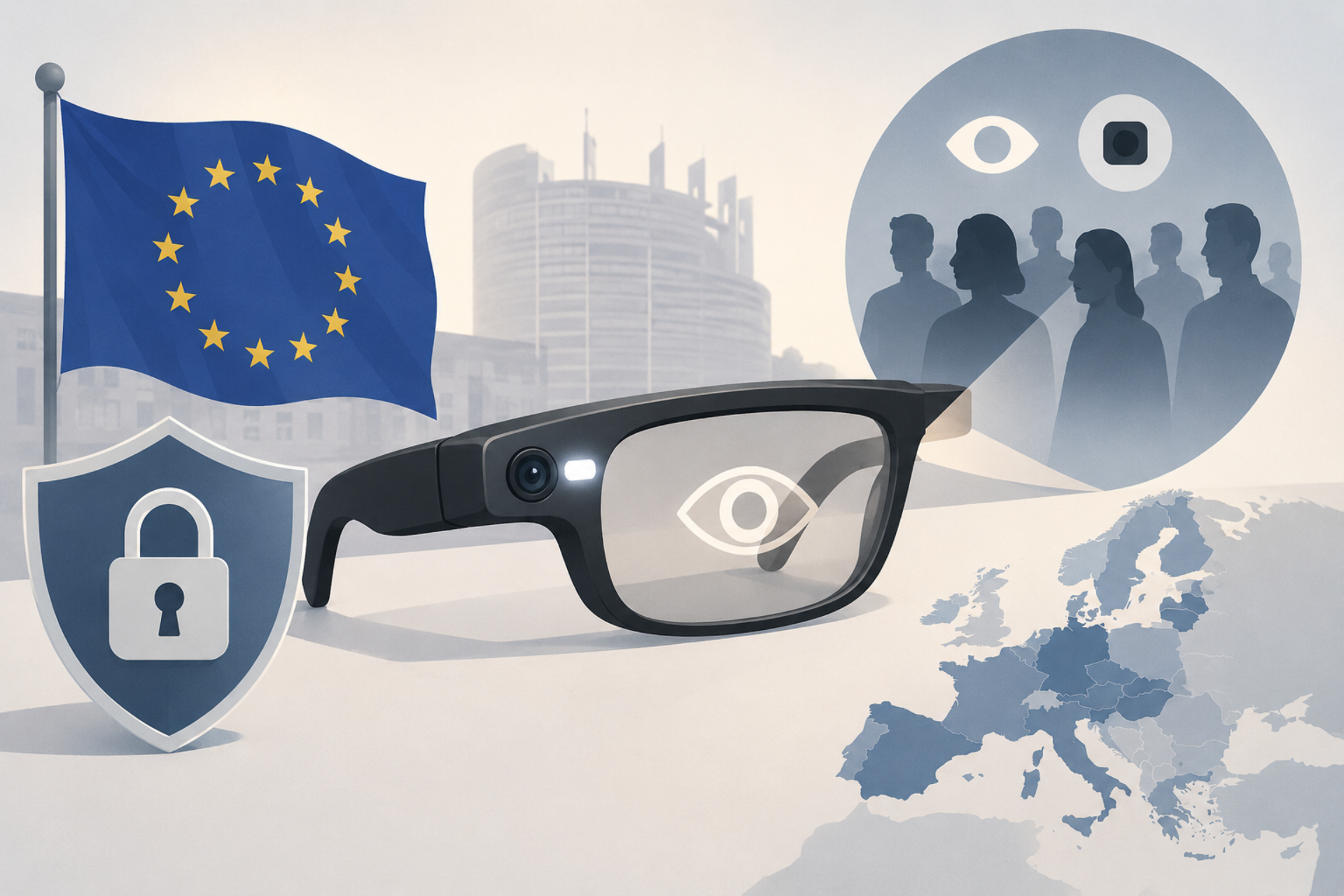
June 9, 2026 European regulators and lawmakers are increasing scrutiny of smart glasses amid growing concerns about surveillance and privacy. Privacy activists argue the devices may violate core privacy principles because people captured by built-in cameras often have no meaningful way to consent to their data being collected or processed.
The debate intensified after reports earlier this year that subcontractors working for Meta in Kenya reviewed private footage captured by smart glasses to help annotate content for AI training. According to reports, the recordings included highly sensitive moments such as bathroom visits, banking information and sexual activity.
European Parliament member Veronika Cifrová Ostrihoňová said the rapid growth of smart glasses sales means regulators need to act now. She warned that technologies capable of breaching privacy or targeting women in unwanted ways should face closer examination. Her political group, Renew, has already asked the European Commission what action could be taken at the EU level.
Sweden’s data protection authority has also voiced concerns. Director General Eric Leijonram said society needs a broader discussion about whether people can clearly understand when they are being filmed or recorded by smart glasses. The issue is now being examined by the European Data Protection Board, which has commissioned a report on smart glasses that is expected to be completed this summer. Chair Anu Talus said regulators will consider possible next steps once the report is finalized.
Outside government, some individuals are taking action themselves. Developer Yves Jeanrenaud created the Nearby Glasses app, which alerts users when smart glasses are nearby. The app has reportedly been downloaded more than 120,000 times since launching in February.
Meta maintains that its smart glasses include privacy safeguards. The company said its devices use an LED recording light that activates whenever photos or videos are captured and include tamper-detection technology designed to prevent users from covering the indicator. Meta also said media remains on the device unless users choose to share it.
However, privacy concerns continue to grow. France’s privacy regulator warned in May that smart glasses could normalize surveillance that is “almost invisible and omnipresent” and potentially transform society. Privacy advocates argue that obtaining meaningful consent from people being recorded remains a major challenge.
The debate comes as the market expands. More than 7 million pairs of Meta smart glasses were sold worldwide in 2025, while companies including Samsung, Google and Apple are pursuing their own smart glasses projects.
At the same time, Meta faces legal challenges in the United States, and privacy campaigners in Europe are continuing to push regulators to determine whether smart glasses comply with existing privacy laws.