June 16, 2026 Snap has introduced its first augmented reality glasses designed for consumers, marking the company’s most ambitious hardware push yet. The new Specs glasses will cost $2,195, with a $200 refundable deposit, as CEO Evan Spiegel argues that people are increasingly ready to move beyond smartphones and traditional screens.
Speaking with CNBC, Spiegel said that nearly 20 years after the launch of the iPhone, consumers are beginning to rethink how they interact with technology.
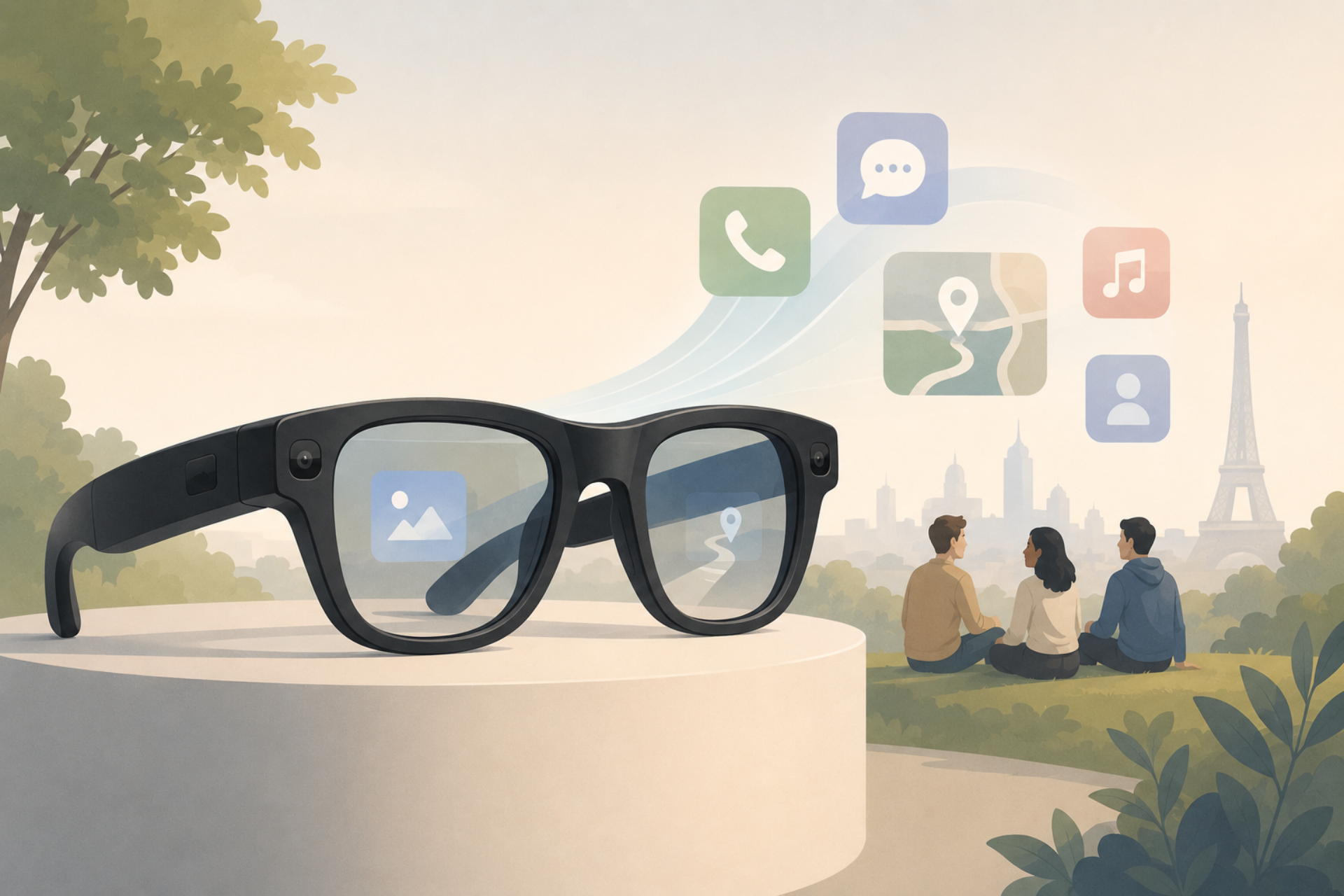
The new Specs were unveiled on Tuesday and are expected to ship later this year in the United States, United Kingdom and France. Snap says the device is designed to bring digital experiences directly into a user’s field of vision through transparent lenses rather than requiring people to look down at a phone.
“Specs really represents a way to use computing together in shared experiences in the real world,” Spiegel said.
The launch places Snap in a growing market that already includes major competitors. Meta has gained traction with its Ray-Ban Meta smart glasses, while Google recently showcased AI-powered glasses being developed alongside Samsung and eyewear brands Warby Parker and Gentle Monster.
Spiegel dismissed audio-focused smart glasses, describing them as lightweight devices that function more like accessories than full computing platforms.
Unlike Meta and Google, which benefit from highly profitable advertising businesses, Snap has struggled financially and has reported losses every year since becoming a public company. In January, the company established a subsidiary called Specs Inc. to house its AR glasses development efforts.
The new Specs are lighter than Snap’s previous developer-focused Spectacles and feature a larger display. The glasses offer nearly four hours of battery life, Bluetooth connectivity, and support for developers building AI-powered experiences. Snap said developers will be able to create agent-like applications using integrations with Anthropic’s Claude Code, OpenAI’s Codex and Cursor.
Spiegel said his confidence in the product stems partly from growing concerns about screen time. He pointed to issues such as neck pain from looking down at phones and the feeling that people are missing real-world experiences while staring at screens.
The launch comes at a challenging time for premium consumer electronics. IDC research manager Jitesh Ubrani said high-priced devices may face resistance as inflation continues to affect consumer spending, particularly among younger buyers who make up much of Snap’s audience.
Snap is also planning parental controls and safety tools for younger users. Spiegel said families will be able to limit access to certain AR effects and operating system features for teenagers.
The CEO, who has been testing the glasses with his own family, said the technology is designed to encourage shared experiences rather than solitary screen use, allowing users to play games, learn and interact together through augmented reality.