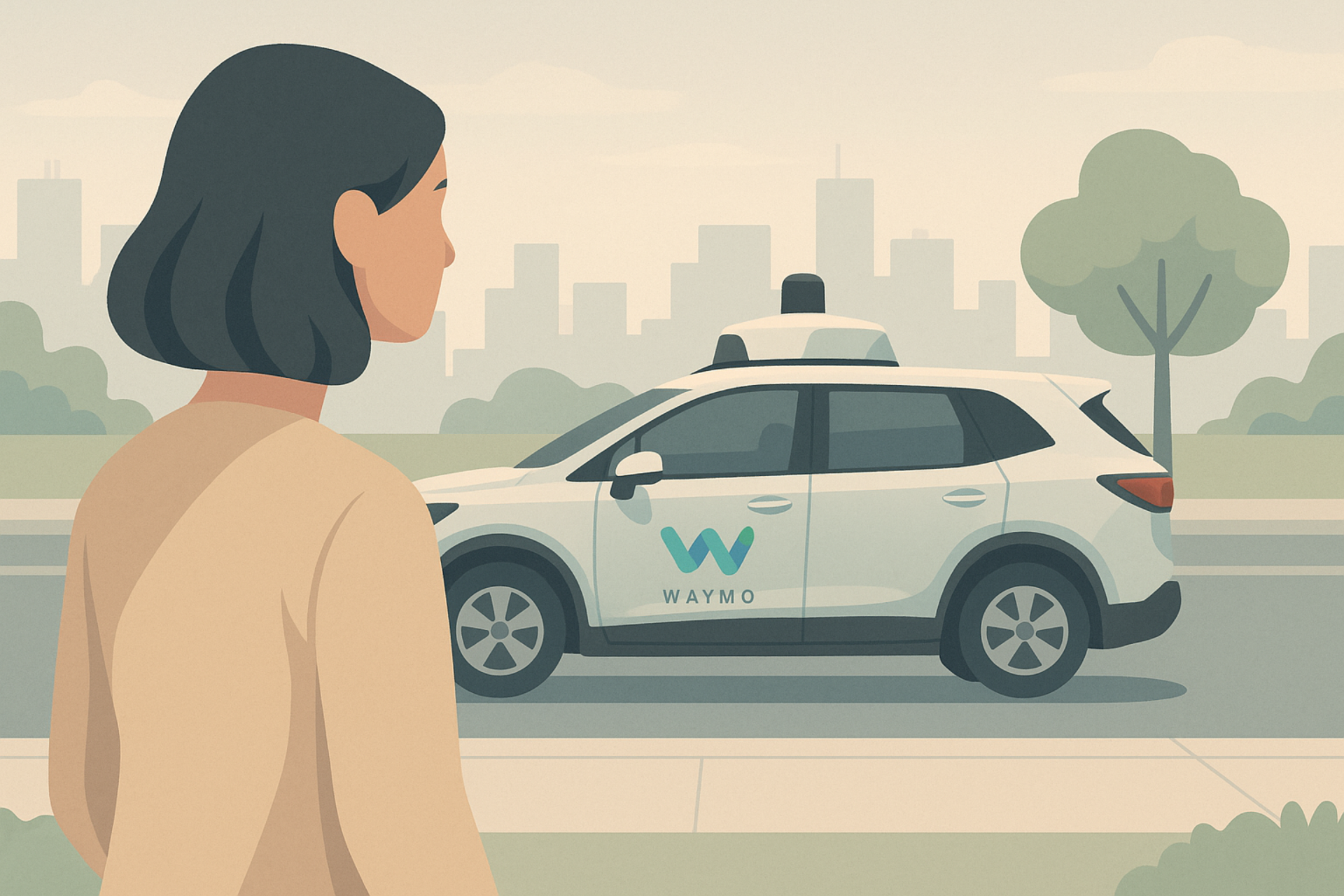
December 15, 2025 Waymo is laying the groundwork to bring its autonomous robotaxi service to Canada, signalling interest in operating in major cities as it pushes beyond its current U.S. footprint. The move would mark the Alphabet-owned company’s first international expansion beyond the United States and comes as interest in autonomous transport grows.
In a statement to CityNews, Waymo spokesperson Ethan Teicher said the company is actively working with Canadian officials to explain its technology and advocate for rules that would support commercial deployment of the fully driverless ride-hailing services. “Waymo has global ambitions,” Teicher said, adding that Canada is part of the company’s longer-term expansion plans.
Signs of that push have already appeared at the municipal level. According to the City of Toronto’s lobbyist registry, Waymo co-CEO Tekedra Mawakana and two other employees were approved as registered lobbyists in November. Their mandate includes discussions around bylaws and regulations related to autonomous driving, including operational authorizations and ride-hailing services.
Waymo currently operates robotaxi services in a limited number of U.S. cities and recently announced plans to expand into 12 additional urban areas, largely in warmer states where weather conditions pose fewer challenges for autonomous systems. The company has positioned safety and operational reliability as central to its rollout strategy.
Demand for the service appears to be growing. Waymo reported delivering more than 250,000 rides per week earlier this year. However, a leaked investor letter obtained by CNBC suggests that figure has climbed to more than 450,000 weekly rides in cities where the service is available. The increase comes as competition intensifies in the autonomous ride-hailing space, with Tesla launching a commercial robotaxi service in Austin, Texas last month.
In Canada, autonomous vehicle deployment has faced setbacks. Ontario halted a self-driving shuttle bus pilot after a crash in Durham Region injured an onboard attendant. Toronto has explored other uses of autonomous technology, including delivery vehicle pilots, but safety remains a central concern for regulators and the public.
Those concerns have shaped policy discussions globally since 2018, when a self-driving Uber test vehicle struck and killed a pedestrian in Arizona. Canadian regulators have since taken a cautious approach, balancing innovation with public safety and liability questions.
For Waymo, entering Canada would require navigating those regulatory realities while proving its technology can handle dense urban environments and extreme winter conditions.