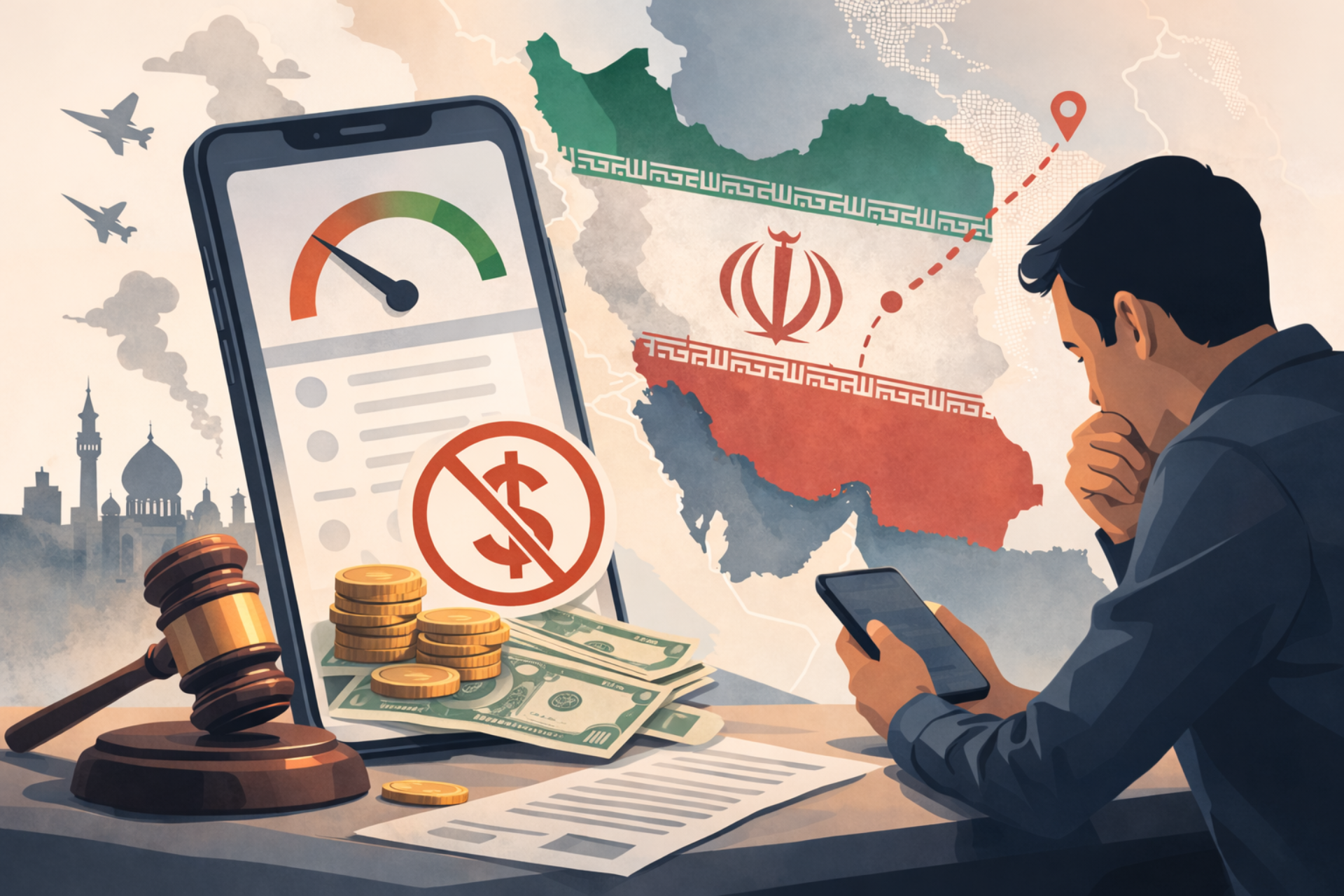
March 9, 2026 Prediction market platform Kalshi says it will not pay out roughly $54 million in potential winnings tied to a market predicting the removal of Iran’s Supreme Leader Ayatollah Ali Khamenei, arguing the event contract did not apply to death. The decision has triggered backlash from users.
The market, which allowed users to trade on whether Khamenei would be “out as Supreme Leader,” gained attention after U.S.-Israeli airstrikes on Tehran were reported. Kalshi highlighted rising odds on its platform and social media, stating that the likelihood of Khamenei being out of power had surged to 68 per cent.
However, the company says the market was never designed to settle based on death. In a statement, Kalshi said its rules prohibit contracts directly tied to death and that the event was intended to reflect a leadership transition rather than an assassination.
“Kalshi doesn’t allow markets directly tied to death,” a company spokesperson said. “Our rules were clear from the beginning, we never changed them, and we settled based on the rules.”
Kalshi added that it reimbursed trading fees and net losses for users affected by trades made between clarifications posted on its platform, saying the refunds amounted to millions of dollars.
Some users say they believed the outcome should have paid out. One bettor told The Washington Post he had wagered $3,460 on Khamenei being removed from power and expected to receive roughly $63,000 after the news of his death.
The episode has drawn criticism of prediction markets tied to geopolitical developments. Amanda Fischer, a former chief of staff at the U.S. Securities and Exchange Commission who now works at Better Markets, told The Washington Post the situation highlights concerns about how such platforms structure and promote event contracts.
U.S. Senator Chris Murphy of Connecticut also criticized the practice of allowing wagers tied to political events or conflicts and said he is drafting legislation aimed at restricting prediction market gambling related to government actions.
The dispute arrives as prediction markets gain visibility in political and economic forecasting, with platforms offering contracts tied to elections, economic indicators and global events. The Kalshi controversy underscores a core tension in the sector: balancing open trading on real-world outcomes with ethical and regulatory limits on what events can be turned into financial bets.